European stocks to open lower as hopes for U.S.-Iran peace deal fade
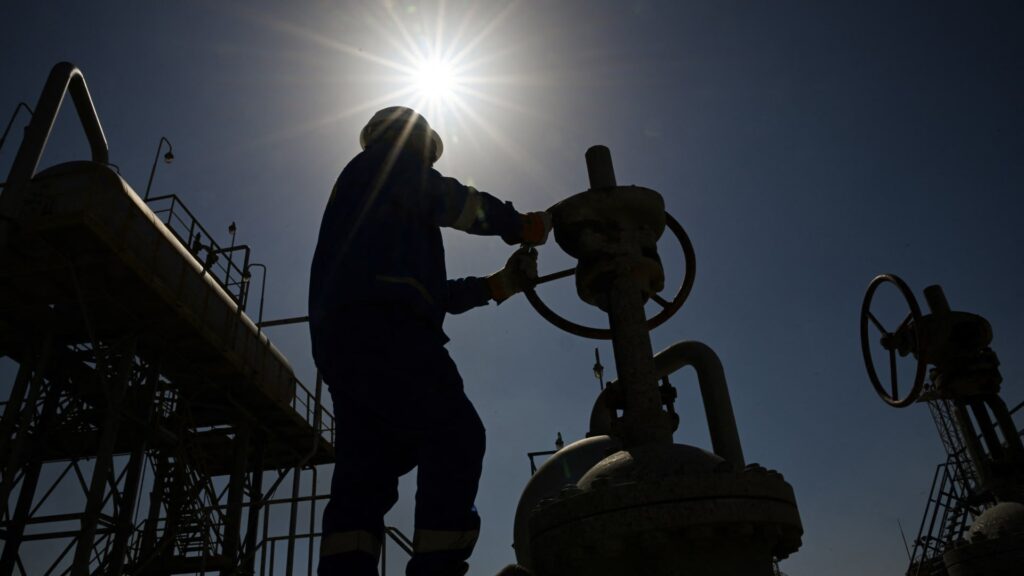
An employee of Basra Oil Company, works at the Nahr Bin Umar Oil and Gas Field on the outskirts of the southern Iraqi city of Basra on April 29, 2026.
Hussein Faleh | Afp | Getty Images
LONDON — European stocks are expected to open in negative territory as prospects for a speedy resolution to the U.S.-Iran war appear increasingly remote.
The U.K.’s FTSE 100 index is seen opening 0.5% lower, with Germany’s DAX down 0.76%, France’s CAC 40 down 0.4% and Italy’s FTSE MIB 0.56% lower, according to data from IG.
Optimism over a looming U.S.-Iran peace agreement was dealt a reality check late on Monday when President Donald Trump said the ongoing ceasefire is “on life support” after Tehran sent an “unacceptable” counter to Washington’s proposal to end the war.
The state of the month-old truce is “unbelievably weak,” Trump told reporters in the Oval Office.
Oil prices rose in response to the comments and, overnight, bourses in the Asia-Pacific region traded in mixed territory. Meanwhile, U.S. stock futures hovered near the flatline on Monday night as traders looked ahead to the release of April’s consumer price index reading. Economists polled by Dow Jones expect inflation to have gained 3.7% from a year earlier.
A growing political crisis in the U.K. is also in focus for European markets on Tuesday as over 70 Labour Party lawmakers, including government ministers, have now called on Prime Minister Keir Starmer to resign or set out a timetable for his resignation. It comes after the ruling party’s dire performance in local council elections last week.
The prime minister took responsibility for the poor election results and acknowledged on Monday that he had “doubters”. Starmer pledged to “face up to the big challenges” facing the country, but the speech failed to impress party insiders as several ministerial aides quit on Monday.
Earnings reports come from Siemens Energy, Bayer, Vodafone, Imperial Brands and Uniper on Tuesday. Data releases include German inflation data and EU economic sentiment figures.