Goodbye 21 points: India racing ahead with badminton's new scoring system
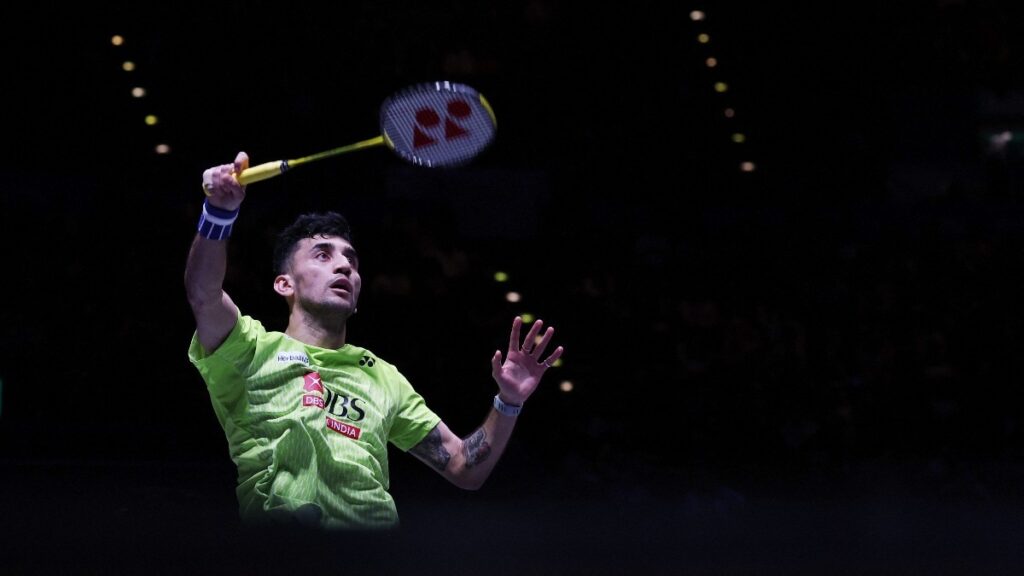
In a bold, strategic masterstroke to maintain its status as a global badminton powerhouse, the Badminton Association of India (BAI) has announced the immediate introduction of the Badminton World Federation’s (BWF) new 3×15 scoring matrix across the entire domestic structure.
Rather than waiting for the mandatory international transition in January 2027, the new format will make its official debut at the All-India Senior Ranking Tournament in Ernakulam from July 7 to 14, 2026.
WHY INDIA IS MOVING EARLY?
The early rollout is a calculated move to insulate Indian players, coaches, and technical officials from “format shock”. By embedding the system into all age groups – from Under-11 up to the Senior and Masters Nationals – BAI is providing a critical competitive cushion.
BAI General Secretary Sanjay Mishra highlighted the necessity of this transition:
“This decision has been taken to ensure that players across all age groups develop familiarity and competitive adaptability to the revised scoring format, thereby ensuring a smooth transition when the system is adopted internationally.”
THE RULE SHIFT EXPLAINED: 21 DOWN TO 15
While matches remain a best-of-three, rally-point affair, the internal mechanics have significantly tightened:
- The Cap: Games are won at 15 points instead of 21.
- The Setting: A two-point margin is required from 14-all. If a stalemate occurs, sudden death kicks in at 20-all, capping the game at 21.
- The Intervals: Mid-game structural breaks drop from 11 points to 8 points (accompanied by a 60-second interval and a change of ends in the deciding third game). The 120-second pause between games remains untouched.
WHY THE BWF REWROTE THE RULEBOOK
The BWF Council’s decision to shift away from the legacy 21-point structure follows years of data collection and stakeholder consultations. The global governing body pushed the button for three definitive reasons:
1. Eliminating the Mid-Game Dead Zone
Under the 21-point system, games often hit a tactical lull between points 7 and 14, where players trade safe rallies to conserve stamina. Shifting the target to 15 forces players into high-stakes, “endgame” pressure almost immediately, demanding relentless intensity from the first serve.
2. Television and Commercial Optimisation
Modern broadcasting requires predictable schedules. Extended, attritional 90-minute singles matches regularly disrupt television programming slots. The 15-point limit streamlines match durations, creating a punchier, consumer-friendly product optimised for prime-time audiences and streaming platforms.
3. Player Longevity and Injury Mitigation
The extreme physical load of the current circuit has led to a spike in player burnout and severe knee and ankle injuries. By curbing marathon attrition battles, the BWF aims to reduce physical wear and tear, shifting the tactical premium away from pure defensive endurance toward explosive speed, reflex, and sharp court craft.
– Ends