CWG: Sharmila ends India's 20-year para athletics wait in dramatic double
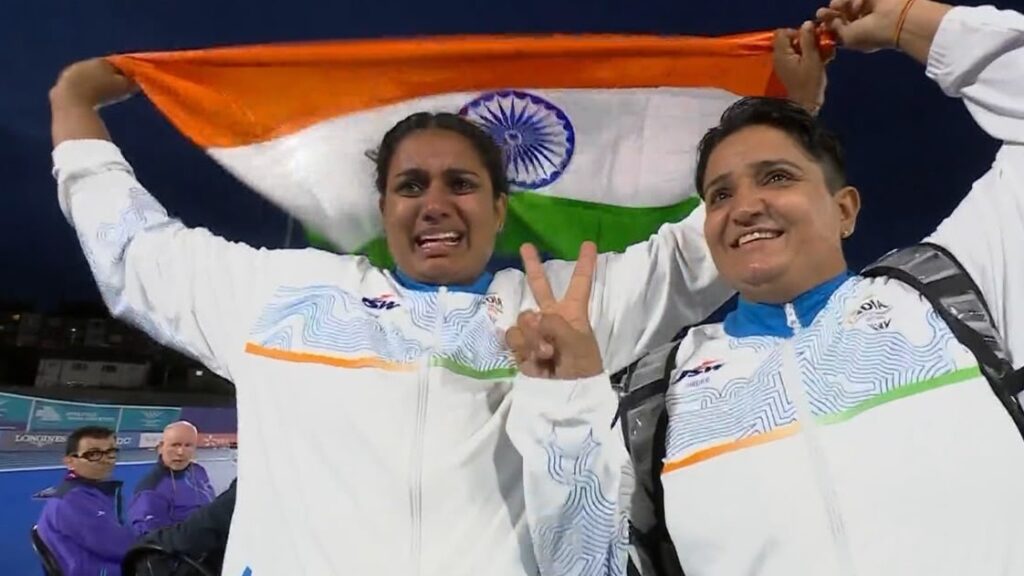
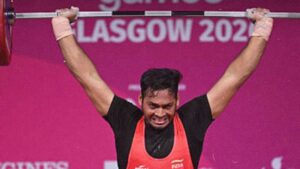
Twenty years after India last celebrated a para athletics medal at the Commonwealth Games, Sharmila Dhankar ensured the wait was finally over. The 40-year-old produced a season-best throw of 9.81m to win gold in the women’s shot put F57 final, becoming India’s first-ever Commonwealth Games para athletics champion and the first Indian woman to win a para athletics medal at the Games.
But just when it seemed India’s celebrations had reached their peak, the story took an unexpected turn.
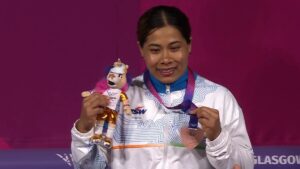
Minutes after Sharmila’s triumph, teammate Shilpa Kanchugarakoppalu Shyla, who had initially finished fourth, was elevated to the bronze medal position after officials reviewed the results and changed Nigeria’s Eucharia Iyiazi’s mark to a no-mark. The reason behind the decision had not been confirmed at the time of writing, but the dramatic revision handed India its first-ever double podium finish in a para athletics event at the Commonwealth Games.
It was a day that combined history, resilience and unexpected drama in equal measure.
Commonwealth Games 2026, Day 5: Highlights
FOUR YEARS IN THE MAKING
For Sharmila, Glasgow was about redemption.
At the Birmingham Commonwealth Games in 2022, she had narrowly missed out on a medal after finishing fourth in the same event. Four years later, she returned with unfinished business and delivered the performance of her career.
Her winning throw of 9.81m not only secured gold but also rewrote India’s para athletics history. It ended a 20-year wait for a Commonwealth Games para athletics medal, dating back to 2006, and made her the country’s first-ever gold medallist in the discipline at the Games.
Yet the medal represented far more than a sporting achievement.
A JOURNEY OF RESILIENCE
Born in Chhithroli village in Haryana’s Rewari district, Sharmila’s life changed when she contracted polio in her left leg at the age of two after a high fever.
The challenges did not end there. She endured an early marriage marked by domestic violence before rebuilding her life with the support of her family. Today, she lives in Rewari with her husband, Ajit Singh, and their two children.
It was Ajit who encouraged her to take up para athletics in 2020, a decision that transformed her life. Under coach Tek Chand, Sharmila’s rise was rapid. Within a year, she became a national champion before establishing herself as one of India’s leading F57 throwers in both shot put and discus.
Earlier this year, she won gold at the Fazza International Para Athletics Championship, offering a glimpse of what was to come in Glasgow.
On Monday, she confirmed she belonged among the world’s best.
THE TWIST NOBODY EXPECTED
While Sharmila celebrated the biggest victory of her career, another Indian athlete believed her Games had ended in heartbreak.
Shilpa had produced a personal-best throw of 7.26m but found herself in fourth place, narrowly missing out on a medal. It seemed a cruel ending to years of hard work.
Then officials began reviewing the results.
Following the review, Nigeria’s Eucharia Iyiazi, who had originally occupied the bronze medal position, had her mark changed to a no-mark. Although officials did not immediately explain the reason behind the decision, the revision elevated Shilpa to bronze and transformed the mood inside the arena.
One moment she was watching the medal ceremony from the sidelines. The next, she was a Commonwealth Games medallist.
The emotional scenes that followed perfectly captured the significance of the moment. Shilpa broke down in tears as she embraced Sharmila, while the Indian contingent celebrated an unexpected second medal.
The dramatic outcome completed India’s first-ever double podium finish in Commonwealth Games para athletics.
TWO DIFFERENT ROADS, ONE HISTORIC DAY
Like Sharmila, Shilpa’s journey to Glasgow had been built on resilience.
Born into a financially modest family in Karnataka, she lost the use of one of her legs following a road accident at the age of four. She first entered para sport through para volleyball before switching to athletics, where she trained under coach Eshan S. D. in Bengaluru.
Years of perseverance culminated in a personal-best throw on the Commonwealth Games stage. Although she had to wait longer than expected to discover the result, her 7.26m effort eventually earned her the biggest medal of her career.
Together, the two women delivered one of India’s defining moments of Glasgow 2026.
Sharmila became the country’s first Commonwealth Games para athletics gold medallist and the first Indian woman to win a para athletics medal at the Games. Shilpa added bronze after a dramatic review, ensuring India celebrated two medals in the same para athletics event for the first time.
One athlete completed a comeback four years in the making. The other thought her medal hopes had vanished before leaving the arena with bronze around her neck.
Together, they did far more than add two medals to India’s tally. They ended a 20-year wait, created multiple firsts for Indian para sport and produced a Commonwealth Games story that will be remembered long after Glasgow 2026 comes to a close.
– Ends