Every winter, more than 100,000 cuttlefish gather in Australia in a mating period that is the only one in the world; but in 2026, fewer than 10 arrived and scientists are trying to figure out why
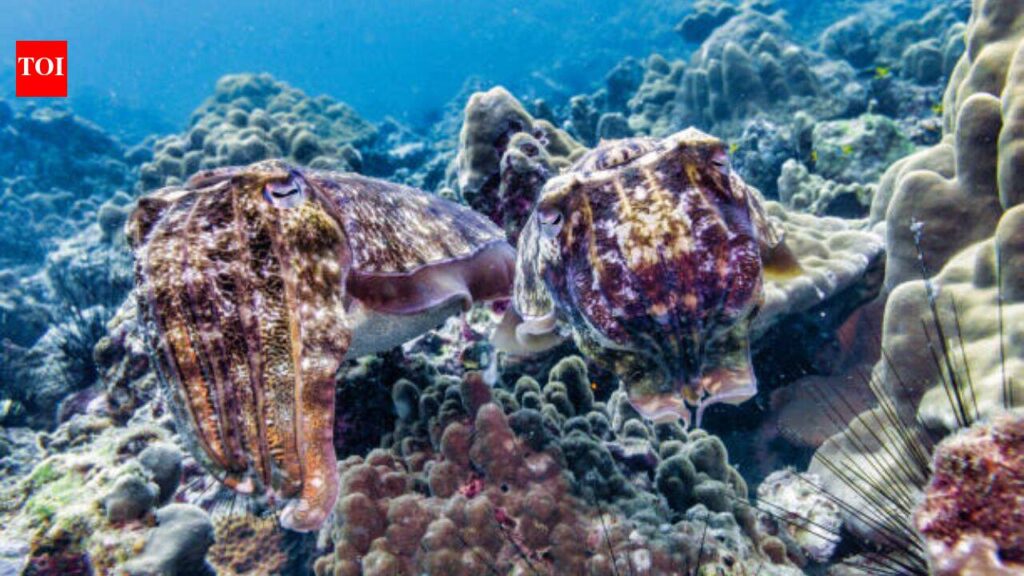
Every winter, more than 100,000 giant Australian cuttlefish can be found mating along the rocky coastline of Point Lowly, northeast of Whyalla, South Australia. They put on shape-shifting, colourful displays in their attempts to attract a mate. This is the only cuttlefish aggregation in the world and thousands of enthusiastic fans travel to regional South Australia and brave the freezing water temperatures to experience this unique phenomenon.Giant Australian cuttlefish are the world’s largest cuttlefish species and are only found in southern Australia. They are cephalopods, a type of advanced mollusc that also includes octopuses, squid and nautiluses. Adult giant cuttlefish typically congregate in small groups to mate. But at Point Lowly, one special population forms a single, large mating aggregation along an 8-kilometre (5-mile) stretch of shallow reef. Like most cephalopods, the cuttlefish life cycle lasts about a year. In winter, eggs are laid at the aggregation site and hatch in spring; juveniles then spend the summer and autumn months growing in deeper waters before adults return to the aggregation site. Crucially, after mating, all adult cuttlefish die, meaning the next generation is dependent on the mating success of the previous year.This population of giant Australian cuttlefish is genetically distinct from those found in the rest of the country. The aggregation is considered a rare natural phenomenon and is National Heritage-listed.
2026: The shocking year
During May and June 2026, tourism operators at Point Lowly reported extremely low cuttlefish numbers. They reported seeing fewer than 10 cuttlefish per dive in areas where one would typically see 100 or more. In July, significantly reduced cuttlefish numbers were confirmed by the South Australian government, which regularly surveys the aggregation.While cuttlefish numbers fell to a record low in 2013, there were still thousands of animals, as compared with 2026. Researchers are calling this year’s numbers “unprecedented.” While the timing of the cuttlefish aggregation can vary each year slightly, by late June the animals should be well and truly aggregating. In short, the cuttlefish have simply failed to turn up.Cuttlefish have an internal shell, known as the cuttlebone, which helps with buoyancy. By changing the gas-to-liquid ratio, they can determine how much they float. Their diet generally consists of small molluscs, crabs, shrimp, small fish, octopuses and worms. To catch their prey, they use suckers attached to their two tentacles, which shoot out and grab unsuspecting victims. The flamboyant cuttlefish (Metasepia pfefferi) even uses venom to subdue its prey. They have two spots of highly concentrated sensor cells on their retinas – meaning they can look both forwards and backwards at the same time. This ability is aided by their W- shaped pupil, giving them a wide field of vision. Cuttlefish lay eggs on seagrass leaves as meadows provide a sheltered environment safe from currents and tides that may wash eggs away. Once these eggs have hatched, seagrass meadows provide a safe nursery site from predators. They are important to the ecosystem since they maintain ocean food web balance as both active predators and vital prey, drive marine biology innovations through their unique camouflage and neural traits and support local commercial fisheries worldwide.
The plausible causes
While scientists are still trying to figure out what caused the lack of show-up, they have accounted for certain possibilities. On the balance of probabilities, the decline is likely linked to the South Australian algal bloom in some way. “We’re taking into account the extent and rapidity of the cuttlefish decline relative to past years, and the unprecedented nature of the algal bloom’s ecological impact,” wrote the researchers.The algal bloom was dominated by the microalgal species Karenia cristata, which can have a significant and swift impact on cephalopod populations, as seen in Australia and other countries. Cuttlefish could have been directly exposed to the bloom, or it might have reduced their food supply. Cephalopods are obligate carnivores and hunters, meaning they must eat live food such as crabs and shellfish. A decline in prey could have significant impacts.Another hypothesis is water temperature. It is generally thought that winter water temperatures influence the timing and success of the breeding aggregation. However, winter water temperatures have been relatively warm in the past, while a decline in numbers at this scale has not been seen before.Some aspects of giant cuttlefish biology are still a mystery, so there could be other reasons for the decline that remain unknown.
Is there any way forward?
Cephalopods reproduce quickly and grow fast. As such, the giant cuttlefish could bounce back if conditions are good, food is abundant and there are not too many predators lurking around. On a positive note, a 90-day tourism ban imposed by the state government gave the remaining cuttlefish the best possible chance to thrive. This move was supported by local tour operators and communities, despite its economic impacts.Furthermore, Invertebrates Australia is convening a working group of researchers, experts and tourism operators to compile the best available evidence on the status of the giant Australian cuttlefish population at Point Lowly. This will contribute to a review of the population’s conservation status on the world-leading IUCN Red List.Media reports also talked about a “bubble curtain” that was installed to protect the cuttlefish during the algal bloom. It was designed to protect the vulnerable eggs, which are attached to rocks, from the bloom. However, the eggs hatched without issue, and so the bubble curtain was not required.