Algeria cuts diplomatic ties with UAE over 'provocative, hostile' actions
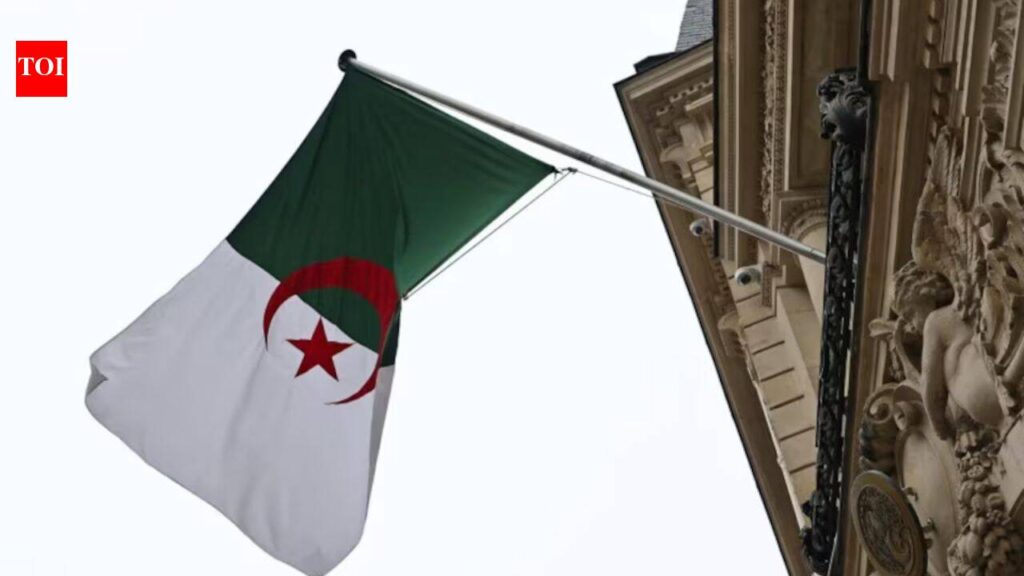
Algeria has severed diplomatic relations with the United Arab Emirates, bringing years of mounting tensions between the two countries to a formal rupture. Algiers accused Abu Dhabi of a series of “provocative or hostile” actions and said it had exhausted all avenues to preserve bilateral relations.Reuters reported that Algeria summoned the UAE ambassador and gave him 48 hours to leave the country. UAE presidential adviser Anwar Gargash, without directly naming Algeria, said diplomacy should be based on “rationality, communication and clarity of interests”, rather than “riddles and signals”.The rift between Algeria and the UAE had been building for months before Algiers formally severed diplomatic ties. In October 2025, Algerian President Abdelmadjid Tebboune accused an unnamed Gulf country of meddling in Algeria’s internal affairs and seeking to destabilise the country, in remarks widely understood as referring to the UAE.In February 2026, Algeria began procedures to cancel a 2013 air-services agreement with the UAE, signalling that the dispute had moved beyond rhetoric and into concrete bilateral measures.The tensions then continued to deepen, with the two countries increasingly divided over regional issues including Morocco and Western Sahara, the Sahel and the wider balance of influence in North Africa.What caused the Algeria-UAE rupture?The immediate trigger remains unclear because Algeria has not pointed to one specific incident. Instead, it has accused the UAE of a series of “provocative or hostile” actions and said it had exhausted diplomatic efforts to preserve relations.One of the biggest fault lines is Western Sahara, where Algeria and the UAE are aligned with opposing sides. Algeria supports the Polisario Front, which seeks independence for the disputed territory, while the UAE has backed Morocco’s claim to sovereignty over Western Sahara.The dispute also reflects a broader competition for influence in the Sahel. The Sahel is the region immediately south of the Sahara Desert, covering parts of countries including Mali, Niger, Burkina Faso, Chad and Sudan.Reuters reported that the interests of Algiers and Abu Dhabi have increasingly intersected in the Sahel, at a time when Algeria’s relations with several southern neighbours have been strained by military coups.Algeria has also raised the issue of Emirati interference directly. Tebboune’s earlier accusations that a Gulf state was attempting to meddle in Algeria’s internal affairs and destabilise the country suggested that Algiers viewed the UAE’s activities as more than a disagreement over foreign policy.A further divide comes from their different positions on Israel and the wider Middle East. The UAE established diplomatic relations with Israel in 2020 under the Abraham Accords, while Algeria has remained firmly opposed to normalisation and has taken a strong pro-Palestinian position.