LPG Aadhaar rule from October 1: Authentication mandatory for subsidised gas refills; how to complete process, check steps
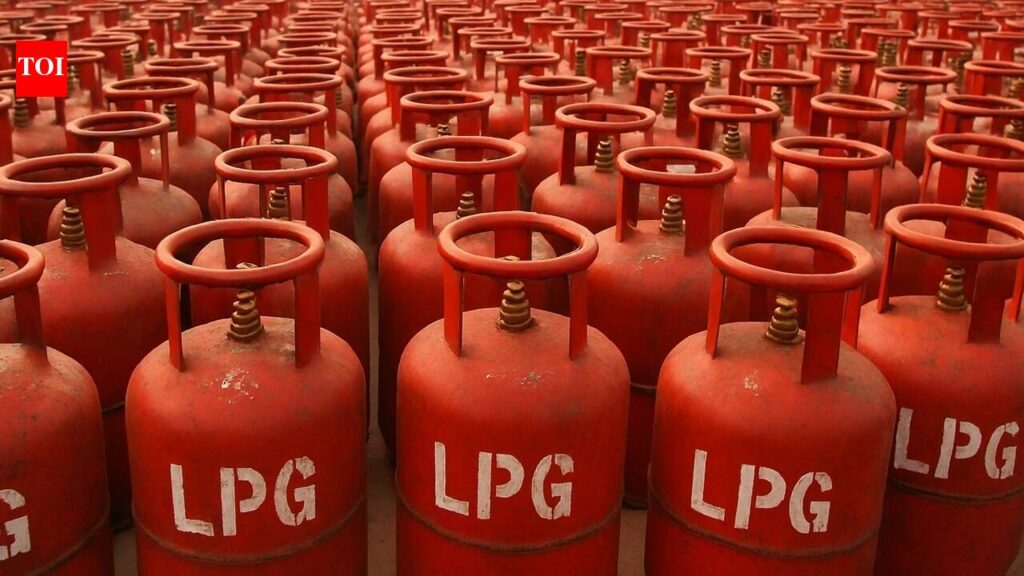
LPG refill Aadhaar authentication rule: Domestic LPG consumers who have not yet completed their Biometric Aadhaar Authentication (BAA) will have to complete the process to book subsidised cylinder refills at regulated prices from October 1, 2026.The Petroleum and Natural Gas Ministry has said no further action will be required from the 27.43 crore consumers who have already completed the Aadhaar authentication.As of September 19, biometric authentication had been completed by 89.9% of active domestic LPG consumers.
What happens if you don’t complete Aadhaar authentication for LPG
Consumers who have not undergone BAA will not be stopped from receiving LPG cylinders. However, those who choose not to complete the authentication will have to pay the prevailing market price and will not receive the subsidy.According to the government, the authentication requirement is intended to ensure that subsidised LPG benefits reach eligible households and to curb the diversion of domestic LPG cylinders for commercial and industrial use.
How consumers can complete authentication
Consumers have several options to complete Biometric Aadhaar Authentication. They can do it at the time of cylinder delivery, visit their LPG distributor’s showroom, or use the mobile application provided by their oil marketing company.Indane customers can complete the process through IndianOil ONE, while Bharatgas customers can use HelloBPCL. HP Gas consumers can authenticate through the HP PAY app.Consumers who do not want to complete the authentication will have to record their choice through the digital channels of their respective oil marketing companies. They can still receive cylinders, but these will be supplied at market prices and will depend on local availability, according to an ET report.
Subsidy and compensation
Domestic LPG is sold at a price below its cost. The implicit subsidy on a 14.2-kg cylinder is estimated at around Rs 210 for September 2026, down from Rs 721 in June.The government said it provided Rs 22,000 crore in compensation to oil marketing companies in FY23. It is paying Rs 30,000 crore in compensation in FY26 and FY27. As of August 31, 2026, the companies’ accumulated under-recoveries from domestic LPG had crossed Rs 62,000 crore.Consumers seeking help with LPG-related services can contact the toll-free helpline at 1800 2333 555.
PNG push
Meanwhile, despite the government’s push to encourage a shift to cleaner piped gas, only around 20% of LPG consumers who have a PNG network in their neighbourhood and are eligible to make the switch have actually converted to PNG. The push followed the military conflict in West Asia earlier this year.According to government data, city gas distribution (CGD) companies had identified 21.7 lakh consumers who had access to a PNG network and were eligible to switch. Of these, only 4.4 lakh consumers have applied so far, while PNG connections have been activated for 3.3 lakh consumers.The identified consumers are located across more than 72,000 housing societies in 311 geographical areas. These areas have PNG networks operated by oil companies as well as public sector and private CGD entities.Government data showed that more than 21 lakh households were contacted through WhatsApp messages, while eight lakh households received physical notices urging them to shift to PNG. More than 33,000 camps were also conducted as part of the exercise. Despite these efforts, the conversion rate remained low. Over the past five months, just over 1.4 lakh households have surrendered their LPG connections.The Petroleum and Natural Gas Regulatory Board had earlier launched two campaigns to encourage the adoption of PNG. However, the government’s efforts intensified during the peak of the West Asia conflict in March and April, when disruptions to supplies through the Strait of Hormuz put pressure on India’s LPG imports.India consumed 33 million tonnes of LPG in 2025-26. Domestic production accounted for about 13 MT, while imports met the remaining requirement, with most of these supplies coming from West Asia. In contrast, the country is relatively more comfortable in terms of LNG supplies and domestic gas production.