'Judicial impropriety': Ex-CJI Gavai on sitting SC judge Bhuyan's remarks criticising SIR
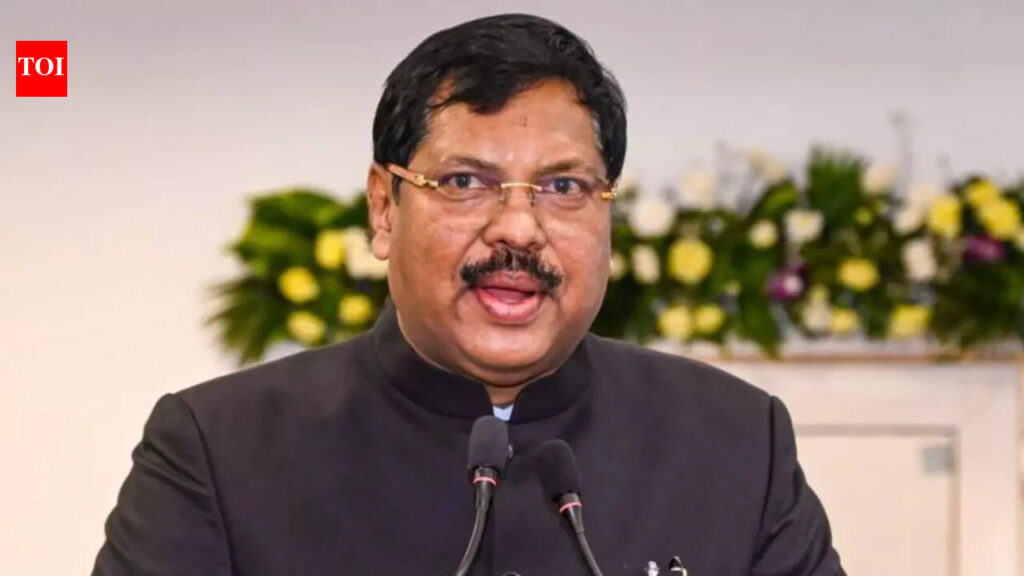
NEW DELHI: Justice Ujjal Bhuyan’s criticism of deletion of a large number of voters through the special intensive revision (SIR) process, when the issue is pending adjudication before Supreme Court, drew a sharp reaction from former CJI BR Gavai, who termed it judicial impropriety.The former CJI refrained from directly commenting on his former colleague’s remarks, but stressed a sitting or retired judge of Supreme Court, high court or any court must not speak on matters that are pending adjudication before a court.“I am of the firm view that judicial discipline and propriety do not allow any sitting or retired judge to speak something which pertains to issues pending adjudication before SC, HC or any court,” Justice Gavai said when asked by the media about Justice Bhuyan’s statement at Nalsar, Hyderabad Sunday on the SIR of electoral rolls.Besides Justice Bhuyan, former SC judge Justice Rohinton Fali Nariman also criticised the intensive revision of rolls, saying a citizen’s right to vote, which is at the heart of democracy, was at “great peril” because of “illegal knocking out” of people from voters’ lists.The SIR exercise in West Bengal was challenged before SC, which upheld it after tweaking the process by first engaging judicial officers in the scrutiny of documents and then providing for a special appeal provision by constituting tribunals.However, petitions which challenge SIR in different states, where large-scale deletion of voters from draft rolls has taken place mainly because of “logical discrepancy” and “voter mapping” issues, are still pending in courts.Justice Bhuyan, speaking at Nalsar, had said that any process disenfranchising millions of Indian citizens is intrinsically arbitrary as it strikes at the heart of the Constitution.
Former CJI Gavai said he does not want to comment on Justice Bhuyan’s statement.Justice Bhuyan had said, “Any process which leads to wholesale disenfranchisement of Indian citizens making them citizens without voting rights would be violative of Articles 326 and 14 of the Constitution.”“If any process results in disenfranchising millions and millions of Indian citizens making them second class citizens in their own country in the sense of being citizens without voting rights, such a process is intrinsically arbitrary… No amount of whataboutery can justify it. It strikes at the very heart of the Constitution.”