When elephants and monkeys damaged his crops, an Odisha farmer bought 50 lemon saplings for Rs 100; 15 years later, his son Santosh Sahu has built a Rs 1 crore business
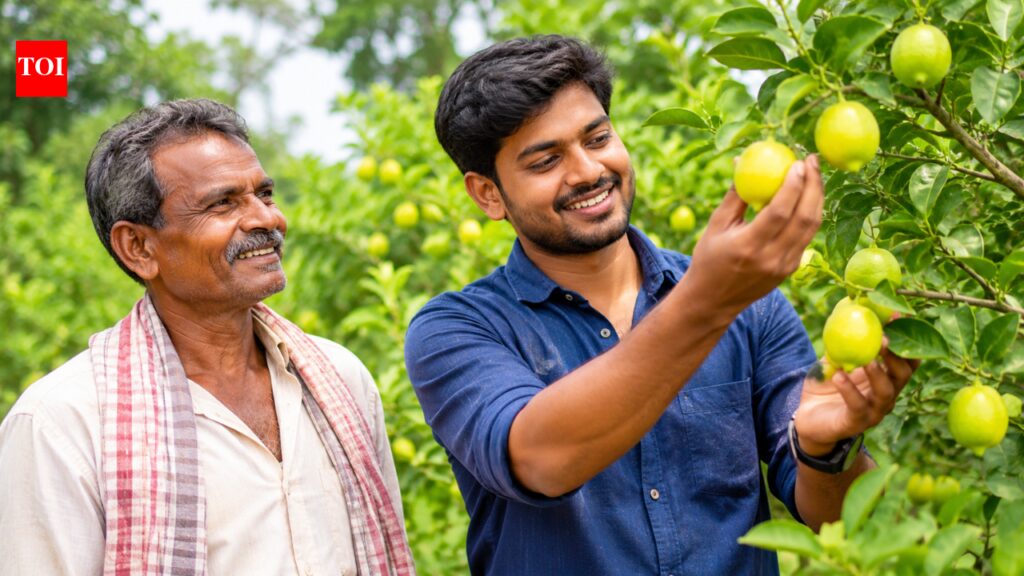
Repeated attacks by elephants and monkeys had made it difficult for Kartika Sahu to grow paddy and groundnuts on his farmland in Ogi village of Odisha’s Angul district. Instead of continuing with crops that wildlife kept destroying, he decided to try something different. Around 15 years ago, he bought 50 indigenous lemon saplings from the horticulture department at Rs 2 each, investing just Rs 100.What began as an attempt to protect his crops gradually became a source of income for other farmers in the village. Today, his son Santosh Sahu has expanded that small experiment into a business with an annual turnover of more than Rs 1 crore. He cultivates lemons on his own farm, buys produce from more than 200 farmers and supplies it to markets across Odisha and neighbouring Jharkhand. The village’s Kagzi lemons have also reached international markets, including the US and the UK.As reported by 30Stades, Santosh’s business combines lemon cultivation with procurement and trading. In a separate report published on November 10, Odisha TV also covered the family’s journey, highlighting how the initial investment of Rs 100 grew into a business supplying lemons to domestic and overseas markets.
How a Rs 100 experiment began
The family’s journey started with repeated crop losses. According to 30Stades, elephants and monkeys from the nearby Panasha Taila forest frequently damaged Kartika’s paddy and groundnut crops. He turned to indigenous Kagzi lemons because their strong citrus aroma, sharp thorns and taste make the plants less attractive to these animals. He purchased 50 saplings from the horticulture department at Rs 2 apiece and planted them on his land.The plants grew well and began producing fruit. Kartika also expanded the plantation by preparing planting material from his existing lemon trees.Other farmers in Ogi noticed the results and began growing lemons themselves. The experiment had gradually moved beyond one family’s farmland.
How Santosh turned his father’s plantation into a Rs 1 crore business
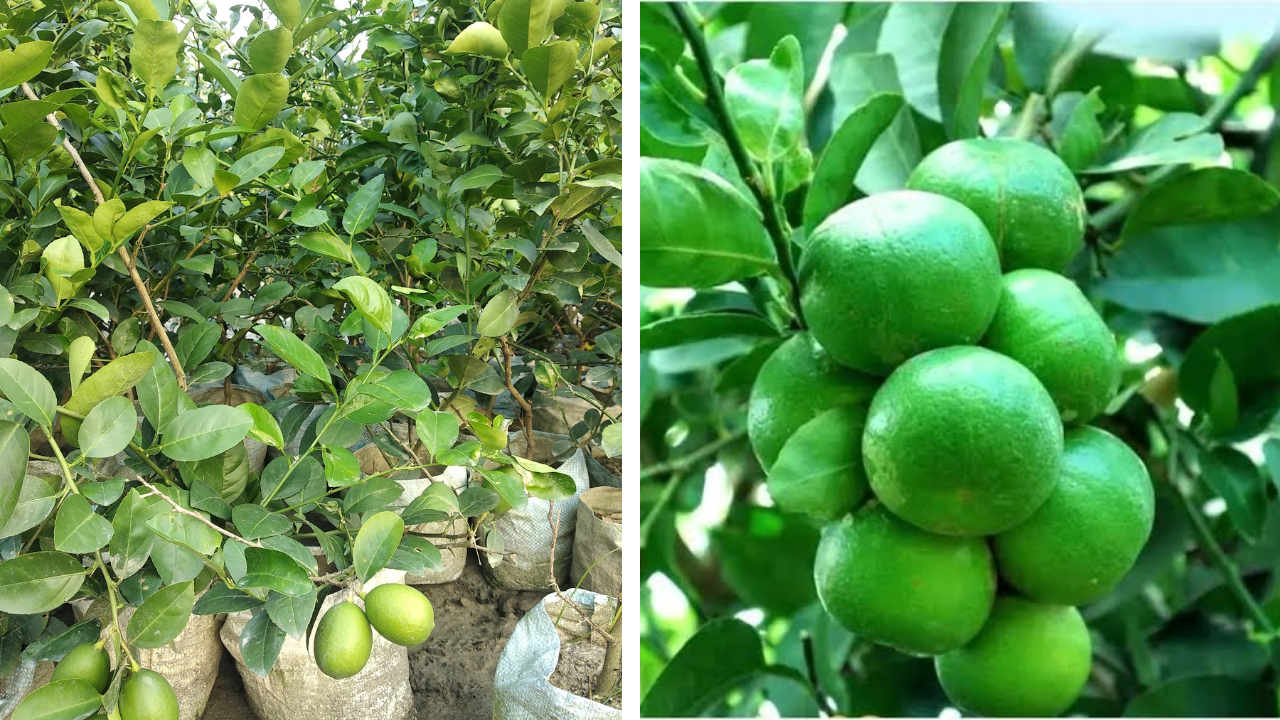
Around 500 of the village’s nearly 700 households have taken up lemon cultivation across more than 150 acres.
According to Odisha TV, after Kartika died around seven years ago, Santosh took responsibility for the family farm. But he saw that growing lemons was only one part of the opportunity. Farmers in the village were producing the fruit but often had limited access to larger markets.He decided to purchase lemons from other growers and transport the combined produce to bigger markets. Santosh currently grows around 120 lemon plants on his one-acre farm and also sources produce from more than 200 farmers. His supply network reaches Angul, Bhubaneswar, Cuttack and Dhenkanal in Odisha, as well as Jamshedpur in neighbouring Jharkhand.His business is based largely on buying and selling lemons in bulk. He purchases 100 lemons from farmers for around Rs 220 to Rs 280, depending on their size and quality, and sells them for Rs 300 to Rs 320. Around 60% of his annual turnover goes towards payments to farmers, he told 30Stades.Santosh also sells lemon saplings for Rs 20 each to farmers who want to start cultivation, although he does not include this income in his reported annual turnover.
Around 500 families in Ogi now grow lemons
The impact of the family’s experiment can be seen across Ogi village. According to 30Stades, around 500 of the village’s nearly 700 households have taken up lemon cultivation across more than 150 acres. The crop provides an average annual income of Rs 25,000 to Rs 30,000 for a farmer through two main harvesting seasons. The first runs from June to August, while the second extends from November to February.The business has also opened opportunities beyond local markets. Ogi’s Kagzi lemons have reached the US and the UK, giving farmers access to buyers outside India.
How the village manages lemon cultivation
The farmers generally plant new saplings during the rainy season, when soil moisture helps young plants establish themselves. They maintain a spacing of around six metres between plants and rows.A lemon tree usually begins yielding commercially after three to four years. Santosh told 30Stades that mature trees can produce substantial quantities during the harvesting season. An eight- to nine-year-old tree that grows to around 12 feet can yield more than 1,000 lemons a week, while a 10-foot tree can produce over 600.The harvest and prices vary by season. Between June and August, an average lemon weighs around 30 grams and sells for approximately Rs 1.25. During the November-to-February season, the fruit can weigh up to 60 grams and fetch Rs 3 to Rs 3.20. Prices can reach Rs 3.50 between March and May, although farmers do not generally harvest commercially throughout that period.What started as Kartika Sahu’s attempt to protect his crops from wildlife has become a village-wide farming activity. His son Santosh has taken the initiative further by connecting growers with larger markets, building a trading network and helping take Ogi’s lemons beyond Odisha.