Nintendo plans around $1.9 billion share sale by Kyoto bank and others, sources say: Reuters
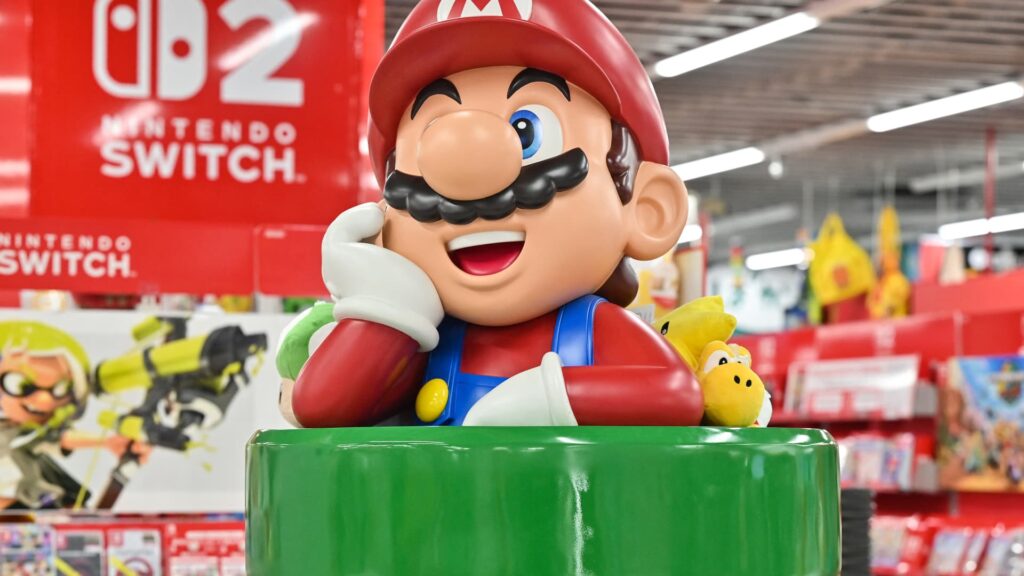
TOPSHOT – A Super Mario character is pictured at a Nintendo display ahead of the launch of the company’s Switch 2 console, an electronics store in the city of Nagoya, Aichi prefecture on June 2, 2025.
Richard A. Brooks | Afp | Getty Images
Nintendo plans an unwinding of strategic shareholdings that would see companies including MUFG Bank and the Bank of Kyoto selling shares of the “Super Mario” maker, according to three sources familiar with the situation.
The sale is expected to total roughly 300 billion yen ($1.9 billion) and Nintendo could make a decision as soon as Friday, two of the sources said. The Kyoto-based gaming company also plans a buyback, the sources said.
Reuters is reporting Nintendo’s plan for the first time.
Nintendo did not respond to a request for comment. The sources declined to be identified as the information is not public.
Nintendo’s shares pared gains and were up 2.4%.
Both banks have set out policies to reduce cross-shareholdings. A 2019 sale of Nintendo’s shares, in which they and others participated, totalled some 71 billion yen.
The Bank of Kyoto, a regional lender, held a 4.19% stake in Nintendo as of September last year. MUFG Bank, Japan’s largest, had a 3.62% stake, which is held by a trust bank.
Mitsubishi UFJ Financial Group declined to comment and Kyoto Financial Group did not respond to a request for comment.
Kyoto Financial’s shares jumped 9%.
Regulators and the Tokyo Stock Exchange have been encouraging Japanese companies to unwind their cross-shareholdings.
Toyota is planning an unwinding of strategic shareholdings that would involve banks and insurers selling around $19 billion of its shares, Reuters reported on Thursday.
The practice, which involves firms holding shares in each other to cement business ties, has been criticised by governance experts and overseas investors as insulating management from shareholders. Although the practice has been widespread in Japan for decades, it is less common in the West.