Stock futures are little changed after record-setting week for Wall Street; traders await Nvidia and retail earnings: Live updates
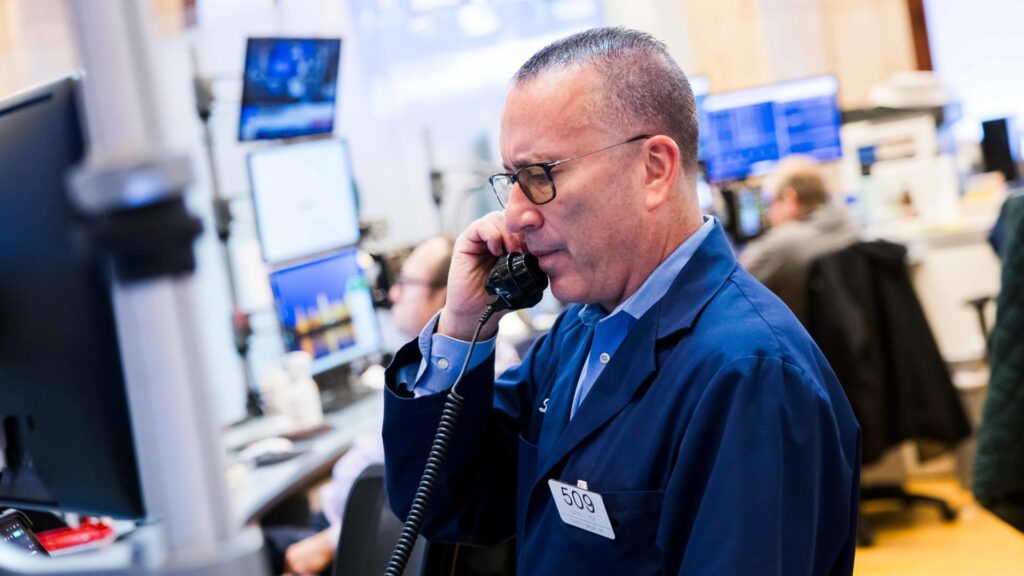
Traders work at the New York Stock Exchange on May 7, 2026.
NYSE
Stock futures were little changed Sunday night following a record-setting week, with traders awaiting quarterly results from Nvidia and major U.S. retailers. Investors also kept an eye on the U.S.-Iran war.
Dow Jones Industrial Average futures slipped 100 points, or 0.2%. S&P 500 and Nasdaq-100 futures hovered around the flatline.
Crude prices rose in early trading. West Texas Intermediate futures were up 1.8% at $107.26 per barrel. Brent oil advanced 1.1% to $110.47.
Nvidia is set to report earnings Wednesday along with Target, while Walmart is due to post results Thursday. Those releases come during a delicate time for stocks. The S&P 500 and Nasdaq hit fresh record highs last week, while the Dow briefly reclaimed the 50,000 level.
However, the major averages suffered a setback Friday, as sovereign bond yields around the world rose. The U.S. 30-year Treasury bond yield hit its highest level in around a year. In the U.K., the 30-year Gilt yield scaled to levels not seen since the late 1990s, along with long-dated Japanese bond yields.
Those moves come as oil prices remain elevated, with tensions still high between Iran and the U.S. On Sunday, President Donald Trump said Iran had to “get moving” or there “won’t be anything left.” Both countries are still in negotiations to end the war.
Tech stocks, which had been leading the market to record highs got battered by the spike in yields. The Nasdaq-100 index dropped 1.5% on Friday, marking its worst one-day performance since March 27.
On top of that, new inflation data released last week makes the Federal Reserve cutting rates anytime soon a long shot.
“The financial markets expect interest rates to remain higher for longer, notwithstanding President Trump’s demands that Kevin Warsh, newly instated as Fed chief, get rates down,” wrote Ed Yardeni, president of Yardeni Research. “But the macroeconomic backdrop no longer supports an easing bias, let alone a rate cut.”