A Baltimore house bought for $43,000 in 2022 was resold for $310,000 in 2023; three years later it was listed for $35,000 after foreclosure as lenders alleged a wider property fraud scheme involving hundreds of homes
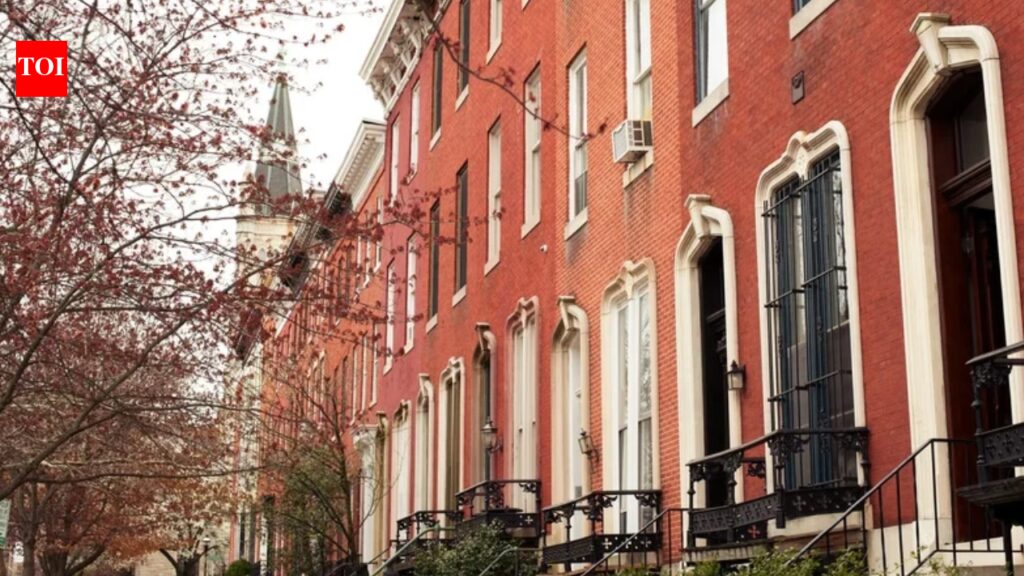
A Baltimore property that changed hands for $43,000 in 2022 and was resold for $310,000 the following year returned to the market in 2026 for just $35,000 after foreclosure, becoming a striking example of an alleged real estate fraud scheme that has drawn scrutiny from lenders and investigators. In a report published by Realtor dot com on October 20, 2026, journalist Julie Gerstein detailed how two federal lawsuits accuse New York real estate investors Eluzer Gold and Benjamin Eidlisz, along with alleged associates, of inflating property values and securing loans against homes that were subsequently abandoned to foreclosure. The allegations have also featured in reporting by The Baltimore Banner, which investigated the investors’ property acquisitions in the city.
How the Baltimore property changed hands
The house at 1829 N. Bond Street illustrates the transactions described in the lenders’ complaints. According to the lawsuits, Eidlisz bought the property for $43,000 in May 2022 before selling it in July 2023 to Levy Ventures, a limited liability company linked to Gold, for $310,000.The sharp increase in price allegedly occurred without the renovations that might have justified the higher valuation. The property later went into foreclosure and was listed for $35,000 in August 2026, according to Realtor dot com’s account of the legal filings.The transactions form part of broader allegations involving dozens of properties in Baltimore. Two lenders claim that the investors used companies they controlled to buy distressed homes, transfer them between related entities at substantially higher prices and obtain financing based on allegedly inflated appraisals. Many of the properties subsequently defaulted on their mortgages.
Lenders allege a wider mortgage fraud scheme
Ameritrust Mortgage Corporation filed a federal lawsuit in Maryland on September 9, alleging that Gold, Eidlisz and Shraga Chaim Lerner orchestrated a scheme involving 90 loans worth more than $14 million. The complaint alleges that the loans were obtained with the intention of defaulting on them while retaining the proceeds.A separate lawsuit filed a week later by RCN Capital and Commercial Lender alleges losses of another $10 million involving 59 properties purchased and subsequently defaulted upon between 2023 and 2024. Together, the complaints cover approximately 150 properties, a fraction of the roughly 700 homes the investors were reported to have acquired across the Baltimore area.According to the lenders, shell companies were used to facilitate rapid property transfers, while appraisals allegedly overstated values through inaccurate descriptions, manipulated photographs and other misrepresentations. The complaints contend that lenders would not have approved the financing had the properties been accurately valued. These remain civil allegations, and the lawsuits do not by themselves establish that every named defendant committed fraud.
The role of investor property loans
The complaints also draw attention to debt service coverage ratio (DSCR) loans, a financing product commonly used by real estate investors. These loans generally assess a property’s ability to generate sufficient rental income to cover its debt payments, rather than relying primarily on the borrower’s personal income. Such financing can help investors acquire rental properties, but the lawsuits raise questions about the safeguards in place when properties are transferred between related companies and valuations rise sharply over short periods.The alleged scheme depended, in part, on lenders assessing individual transactions without necessarily seeing the full picture of an investor’s holdings and borrowing across multiple entities. If property values were artificially inflated, that could expose lenders to losses when borrowers stopped making payments and the homes entered foreclosure.
Baltimore’s housing market faces the fallout
The allegations have emerged against the backdrop of Baltimore’s longstanding problems with vacant properties, deteriorating housing and housing insecurity. The city’s stock of historic row houses includes many distressed homes, particularly in neighbourhoods where residents have fewer financial resources to absorb sudden disruptions.Foreclosures can have consequences beyond the lenders and property owners involved. Tenants may face uncertainty about their housing, while neglected homes can affect neighbouring properties and complicate efforts to attract legitimate investment for rehabilitation. The Baltimore Banner’s earlier reporting brought attention to the investors’ extensive property acquisitions. An FBI investigation had been reported by The Baltimore Banner, although the FBI declined to confirm or deny its existence when approached by Realtor dot com.The case is not the only example of alleged property-value manipulation in Baltimore. A separate case involving investor Alexander Schultz and attorney Jacob Rappaport resulted in prison sentences earlier in 2026 over a similar scheme involving dozens of homes, according to Realtor dot com. For now, the lawsuits against Gold, Eidlisz and their alleged associates remain part of an ongoing legal process. The $35,000 listing of the Bond Street property offers a visible illustration of the gap between its reported purchase prices and its later market return, while the broader allegations raise questions about property valuations, investor lending and the costs of foreclosure in a city already struggling with distressed housing.