PM Modi felicitates Asian Games 2026 medal winners in Delhi
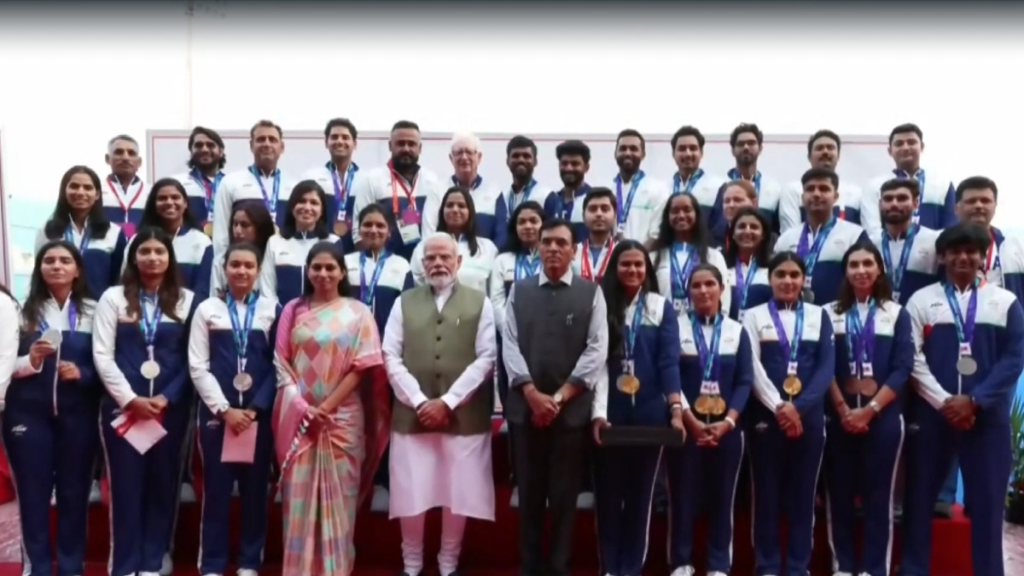
Prime Minister Narendra Modi met India’s Asian Games medallists on Thursday, October 15, following the country’s campaign at the 2026 Aichi-Nagoya Games in Japan, where the contingent finished fourth with 85 medals, including 21 gold, 27 silver and 37 bronze.
India retained its fourth-place finish from the 2023 Hangzhou Games, but its overall medal tally fell by 21 from the previous edition’s record haul of 106 medals. The campaign featured strong performances in archery, wrestling and boxing, alongside gold medals in hockey, cricket and kabaddi.
India’s campaign gathered momentum towards the end of the Games, with a late surge in gold medals helping the country climb the standings.
The results highlighted achievements across individual and team events, even as some disciplines recorded a decline compared with the previous edition.
ARCHERY, WRESTLING LEAD INDIVIDUAL MEDAL PERFORMANCES
Archery was among India’s most successful disciplines, producing nine medals, including five gold, two silver and two bronze. Indian archers also recorded significant achievements in the recurve events, including historic performances in the women’s individual and team competitions.
Wrestling contributed six medals, with Indian athletes winning two gold, two silver and two bronze. The results added to India’s overall tally and marked a strong showing in the discipline.
Boxing also delivered six medals, including three gold and three bronze. The gold-medal performances helped India maintain a presence among the leading nations in the sport.
HOCKEY, CRICKET AND KABADDI DELIVER GOLD
Team sports played a key role in India’s gold-medal tally. Both the men’s and women’s hockey teams won gold, marking a significant achievement for Indian hockey. The men defeated Malaysia 5-1 in the final, while the women beat China 1-0.
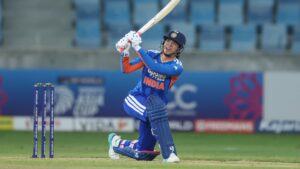
India also secured gold medals in both men’s and women’s cricket. The women’s team defeated Sri Lanka in the final, while the men overcame Pakistan to claim the title.
Kabaddi added two more gold medals, with both the men’s and women’s teams winning their respective finals. These results underlined India’s strength across multiple team sports.
ATHLETICS AND SHOOTING CONTRIBUTE 39 MEDALS
Athletics was India’s largest medal contributor by volume, accounting for 24 medals, including one gold, nine silver and 14 bronze. Gulveer Singh was among the standout performers, winning silver in the 10,000m and 1,500m events and bronze in the 5,000m.
Shooting contributed 15 medals, comprising three gold, eight silver and four bronze. However, India’s tally in the discipline was lower than the 22 medals won at the Hangzhou Games.
Together, athletics and shooting accounted for 39 of India’s 85 medals, although the results in both disciplines also highlighted areas where the country will look to improve ahead of future international competitions.
MIXED RESULTS IN BADMINTON, TENNIS AND WEIGHTLIFTING
India’s campaign also featured setbacks in some disciplines. The badminton contingent failed to win an individual medal, although India secured a bronze in the sport overall. Tennis, meanwhile, ended without a medal, according to the campaign summary.
Weightlifting provided a notable highlight, with Mirabai Chanu winning silver in the women’s 49kg category.
The result ended India’s 28-year wait for an Asian Games medal in weightlifting.
India’s 85-medal campaign combined landmark performances with a decline from its record tally at Hangzhou.
While the fourth-place finish maintained the country’s position among Asia’s leading sporting nations, the results across athletics, shooting and other disciplines will offer areas for review as India prepares for future international competitions.
– Ends