Lululemon takes battle with Chip Wilson public, calls founder 'misguided' and 'outdated'
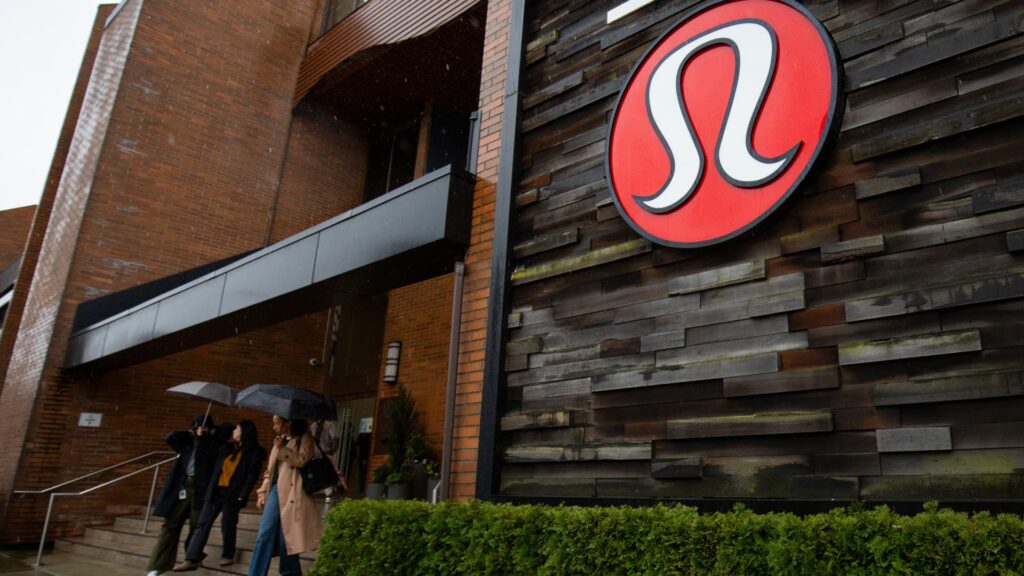

Lululemon is showing its teeth.
The Vancouver, British Columbia-based athleticwear company is taking its battle with activist founder Chip Wilson public, writing in a letter to shareholders on Monday he has “outdated perspectives” and “troubling conflicts of interest” that will derail its turnaround plan, materials reviewed by CNBC show.
The letter, Lululemon’s first major public response to Wilson since his proxy battle ramped up late last year, comes after settlement talks with the retailer’s founder fell apart last week, the materials show. The missive lays out why the company’s strategy, its incoming CEO Heidi O’Neill and board nominees are ultimately best for shareholders as it urged them to vote in its favor and set June 25 as the date for its long-awaited annual meeting.
“Wilson, who stopped serving on the Board over a decade ago for well-documented reasons, has been attacking the company and the Board for many years, damaging the brand and hurting shareholders. He has now put forward three opposing nominees in an attempt to regain increased influence over the company that he has coveted since he left,” the letter, viewed by CNBC, states.
“Your Board firmly believes that replacing any of lululemon’s directors with Mr. Wilson’s less qualified nominees would endorse his misguided perspectives, deprive the company of critical skills and expertise, and risk derailing our progress in an especially pivotal time for our business and organization.”
Wilson, Lululemon’s largest individual shareholder with a 8.97% stake, didn’t immediately return a request for comment.
Lululemon’s business has been under pressure for around two years, particularly in the Americas, its largest market, as it navigates the impact of tariffs, a shaky U.S. consumer and a product assortment that’s failed to wow shoppers in the same way it once did. It has also faced steep competition in the athleisure space from upstarts like Vuori and Alo Yoga as the global athleisure market started to cool.
When reporting fiscal fourth-quarter earnings in March, Lululemon issued weak fiscal 2026 guidance and warned higher tariffs and its proxy battle with Wilson would weigh on its bottom line. As of Friday’s close, the company’s shares are down almost 43% this year.
Chip Wilson, founder and former CEO of Lululemon.
Adam Jeffery | CNBC
Wilson, who founded Lululemon in 1998, stepped down as CEO in 2005 but stayed on as chairman until 2013 when he departed after blaming a recall of its trademark black pants on customers. He told Bloomberg at the time, “Some women’s bodies don’t work for the pants.”
“It’s really about the rubbing through the thighs, how much pressure is there over a period of time,” he said.
Wilson has been a frequent critic of the brand in the years since, but ramped up his attacks late last year as Lululemon’s challenges were mounting. His biggest gripe has been the company’s board of directors, whom he blames for his decision to step down as chair in 2013, and has been lobbying both the company and shareholders to get behind his slate of nominees.
In response, Lululemon has asserted that its leadership is why the brand has been able to scale into an $11 billion retailer, and contended Wilson is aligned with direct competitors including Alo Yoga and Vuori, who Wilson has admitted to advising, security filings show.
At Lululemon’s annual meeting next month, shareholders will be presented with two sets of director options for election that both sides are betting can help turn the company around. Shareholders can vote to elect the retailer’s nominees, former Levi Strauss CEO Chip Bergh, former Unilever Chief Growth and Marketing Officer Esi Eggleston Bracey, and serial board member and former Gap finance chief Teri List. Or, they can opt for Wilson’s nominees, former ESPN Chief Marketing Officer Laura Gentile, former Activision CEO Eric Hirshberg and former On co-CEO Marc Maurer.
Wilson has said the retailer’s downward slide is a result of “deprioritizing creative excellence at the altar of efficiency.” The solution, he contended in a letter to shareholders last week, is “more proven, creative leaders” in the boardroom.
“Our three nominees all understand what it takes to foster a creative, focused and successful business that delivers superior returns through creative excellence – in design, technology and execution,” Wilson wrote. “[They] have all led organizations that only succeed when they out-create their competitors, and they know what it takes to create an inspired, creative organization and help it thrive.”
Last week, Lululemon made a final attempt to resolve its proxy contest with Wilson and reach a settlement agreement, materials viewed by CNBC show. It offered to appoint two of Wilson’s nominees following the annual meeting, up from a previous offer of one, and agreed to appoint a third new director not from his slate but subject to his approval. The company also said it would create an advisory brand product council that would include Wilson’s third nominee not appointed to the board.
In response, Wilson upped his demands, asking for the right to replace directors if his nominees stopped serving on the board and full reimbursement for his campaign by the company, among other requests, the materials show. Lululemon rejected that offer and settlement talks fell apart.
Now, Lululemon is contending in the letter that its nominees are “vastly superior” to Wilson’s and the election of any one of the founder’s picks “would result in a significant degradation of your Board’s experience and expertise, including the loss of deep industry and corporate governance experience as well as financial expertise that is required for a public company.”
It criticized Gentile, Hirshberg and Maurer for having no public company board experience and either no or little time working in apparel and retail.
It pointed out that Maurer, who about a year ago stepped down as the co-CEO of On, a direct competitor to Lululemon, still has a personal stake in his former company worth tens of millions of dollars, making up “a considerable portion of his net worth.”
The company also came to the defense of its incoming CEO, who is slated to take the helm in September after almost 30 years at Nike
Heidi O’Neill, named new CEO of Lululemon effective Sept. 8th.
Courtesy: Lululemon
When Lululemon announced last month O’Neill was its choice as its next CEO, Wall Street sold off the stock on concerns she was partially responsible for some of the challenges Nike is currently facing. There are also concerns that she won’t be starting in the job for several months, pushing out the timeline to recovery further than some investors had hoped, especially given Lululemon’s long lead times for merchandise.
“A near 30-year veteran of [Nike] is not the symbol of transformative, creative-first leadership that can instill shareholder confidence in today’s world,” Wilson wrote in a letter to shareholders on April 29. “Shareholders are right to question if she has the product skillset or history of value creation that is needed to revitalize lululemon.”

In response, the retailer said in its letter to shareholders that O’Neill is “the ideal executive to lead” the company and brings a “unique balance of creativity and operational discipline required at this pivotal moment.”
“As the Board initiated the CEO search, we established criteria that encompassed both turnaround and growth experience. We recognize there are parts of lululemon’s business that need a reset, but that should not be the end game. The lululemon brand remains fundamentally strong and there is significant potential to innovate and evolve product and engage our communities to scale the business even further across activities and internationally,” Lululemon wrote.
“During the months-long interview process, Ms. O’Neill distinguished herself through a rare combination of deep industry, product, and brand experience as well as her strong track record of both transformation and growth at scale. She demonstrated an ability to clearly articulate the lululemon brand’s essence and future opportunity, while also bringing a pragmatic, execution-oriented mindset,” the company added in the letter.
Lululemon pointed to O’Neill’s many years of experience leading Nike’s apparel business through a period of rapid growth and her time spent reducing product lead times and resetting the brand prior to her departure.
“O’Neill established and built Nike’s Women’s business and grew it into a multi-billion-dollar franchise,” Lululemon said. “And she led important digital transformations as an early digital champion and innovator, during a period of rapid digital commerce sales growth of more than 65%.”